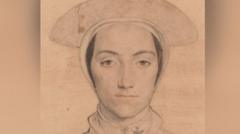
A computer science team has unveiled what it claims is a previously unknown sketch of Anne Boleyn, King Henry VIII's second wife, sparking debate among historians and art experts about the portrait's authenticity and historical significance.
The researchers used advanced imaging and analytical techniques to examine an old drawing and compare it against known contemporary portraits of Boleyn. Their analysis suggests distinctive facial features match historical records and other verified depictions from the Tudor period. The team argues the sketch offers a fresh window into how Boleyn actually looked during her time as queen.
However, skepticism abounds. Several art historians and Tudor scholars question whether the image truly depicts Boleyn or another noblewoman from the era. Establishing provenance for sixteenth-century artwork remains notoriously difficult, and visual identification alone without documented chain of ownership raises legitimate concerns. The lack of contemporary labeling or records directly tying the sketch to Boleyn creates methodological challenges.
The debate reflects a broader tension in Tudor studies. Few authenticated contemporary images of Boleyn survive. Most widely circulated portraits postdate her 1536 execution and often reflect myth rather than reality. Any genuine sixteenth-century depiction carries enormous historical weight and attracts intense scrutiny from the scholarly community.
The computer science approach itself merits attention. Digital forensics and facial analysis offer tools previous generations lacked. Yet technology cannot substitute for documentary evidence. Without corroborating archival support, computational confidence alone stops short of definitive proof.
This discovery underscores how much remains unknown about one of history's most famous women. Boleyn's story continues captivating popular imagination, but primary source material remains frustratingly thin. Whether this sketch genuinely shows her face or not, it amplifies the broader historical hunger for authentic connections to the Tudor queen.