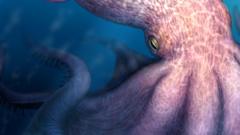
A newly analyzed fossil reveals that giant octopuses roamed Earth's oceans roughly 100 million years ago, potentially reaching lengths of 19 metres. The discovery reshapes what scientists understand about ancient cephalopod dominance and ocean ecosystems during the Cretaceous period.
The fossil evidence suggests these creatures were substantially larger than any octopus species alive today. Modern octopuses typically max out around 3 metres, making their ancient predecessors roughly six times longer. Researchers examining the remains found distinctive features that confirm the specimen belonged to the octopod lineage, distinguishing it from other large marine predators that shared those waters.
This finding adds weight to theories that cephalopods occupied apex predator positions in Cretaceous oceans for extended periods. The sheer size of these animals indicates they hunted large prey and faced minimal competition from other predatory species. Their evolutionary advantages, including sophisticated hunting intelligence and adaptive camouflage capabilities, likely accelerated their growth and success in deep-water environments where few creatures could challenge them.
The discovery came through meticulous fossil analysis that identified preserved soft tissue markers and anatomical patterns unique to cephalopods. This level of preservation remains rare, making the find particularly valuable to paleontologists studying ancient marine life. The fossil record typically favors hard-bodied creatures like shells and bones, so evidence of soft-bodied animals provides uncommon insight into ocean food webs from a hundred million years past.
Understanding these ancient giants offers context for modern cephalopod evolution and intelligence. Scientists note that the remarkable cognitive abilities displayed by living octopuses may trace back to survival pressures their ancestors faced competing with equally formidable marine hunters. The research underscores how dominant cephalopods remained throughout multiple geological periods before sharks and other fish eventually reshaped marine hierarchies.