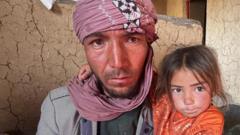
Afghanistan faces a humanitarian catastrophe as economic collapse forces families into unthinkable decisions. Three in four Afghans now lack access to basic necessities like food, shelter, and medicine, according to BBC reporting. The severity of this crisis has pushed desperate fathers to consider selling their children as a survival strategy.
The Taliban's takeover in August 2021 triggered immediate economic devastation. International aid dried up, banking systems froze, and currency values plummeted. Nearly two years later, the country remains in freefall. Unemployment has soared. Inflation has ravaged purchasing power. Families watch their savings evaporate while prices for food and fuel climb beyond reach.
Child trafficking and exploitation networks have grown more active in this vacuum. Desperate parents face an impossible calculus: watch their children starve or enter them into situations of labor, marriage, or trafficking. Aid organizations report increasing inquiries from families exploring child sales as a last resort. Some fathers sell daughters into early marriage to wealthy men in neighboring countries. Others place sons into bonded labor arrangements that amount to modern slavery.
The International Crisis Group and UNICEF warn that Afghanistan is entering a generational catastrophe. Without urgent intervention, an entire cohort of children faces permanent developmental damage from malnutrition, lost education, and trauma. Families with access to any resources sell land, jewelry, and possessions first. When assets run dry, children become currency.
International donors have pledged billions in humanitarian assistance, yet delivery remains fragmented. The Taliban government's isolation from the global financial system complicates aid distribution. Women remain largely excluded from employment, concentrating economic desperation in male-headed households already traumatized by decades of conflict.
This crisis reflects not temporary hardship but structural collapse. The Afghan economy cannot sustain its population under current conditions. Without restoration of basic banking, employment creation, and political stability, the cycle of exploitation will deepen.