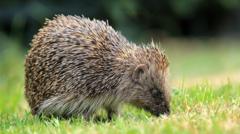
Conservation scientists are deploying satellites and artificial intelligence to monitor declining hedgehog populations across the UK. The technology tracks individual animals in real time, mapping their movements and identifying ecological barriers that prevent them from accessing food sources and potential mates.
Hedgehog populations in Britain have plummeted over recent decades, dropping from around 30 million in the 1950s to fewer than a million today. Urban sprawl, intensive agriculture, and fragmented habitats have accelerated the collapse. This satellite-AI hybrid approach offers researchers unprecedented granularity into how hedgehogs navigate increasingly fragmented landscapes.
The system uses GPS-equipped collars and machine learning algorithms to analyze movement patterns across multiple locations simultaneously. AI processes the data to identify bottlenecks, dead zones, and corridors where animals can travel safely. Researchers can then pinpoint which barriers are most critical to remove, whether that means creating wildlife passages under roads, removing garden fences, or restoring hedgerow connectivity.
This represents a significant shift from traditional conservation methods, which relied on manual field observations and sighting data. Satellite tracking provides continuous, objective information about hedgehog behavior at scale. The AI component accelerates analysis, turning raw GPS coordinates into actionable habitat interventions.
The project also feeds into broader urban planning and agricultural policy discussions. Local councils and landowners can use the data to make informed decisions about green infrastructure investment. Understanding where hedgehogs succeed or fail helps shape development proposals and conservation priorities.
Wildlife trusts across the UK have partnered on the initiative, combining traditional ecological expertise with tech-sector resources. Early results should inform national hedgehog recovery strategies over the next two years. If successful, the model could extend to other declining species facing similar habitat fragmentation challenges.