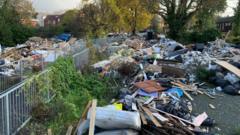
Britain tightens waste carrier licensing rules following an embarrassing regulatory failure that saw a cow approved for waste removal permits. The Environment Agency approved a licence application submitted under the name "Beau Vine," a cow owned by an activist testing the system's vulnerabilities.
The incident exposed gaping holes in how authorities vet waste carriers, businesses responsible for transporting rubbish to legitimate disposal sites. Illegal dumping costs local councils millions annually and damages countryside ecosystems. The government now plans stricter vetting procedures to prevent bad actors from obtaining licences under fake identities or shell companies.
New measures will require carriers to prove legitimate business operations, provide verifiable contact information, and undergo enhanced background checks. The changes target organized fly-tipping networks that operate with impunity by obtaining licences fraudulently. Current enforcement relies heavily on councils reporting suspicious activity, leaving many illegal operations undetected.
The cow licencing debacle became a viral moment that underscored the Environment Agency's capacity problems. Waste regulation sits low on priority lists despite costing taxpayers. Activists argue the system has been deliberately underfunded, making it easier for enforcement to fail.
Fly-tipping has accelerated since stricter recycling rules took effect and legitimate disposal fees climbed. Householders and builders increasingly turn to unlicensed carriers offering cheap removal. The Environmental Crime Taskforce estimates illegal dumping operations dump 400,000 tonnes of waste annually across England.
Stricter carrier licensing addresses only part of the problem. Enforcement remains underfunded, and prosecutions rarely deter repeat offenders. Local authorities need resources to monitor tipping sites and investigate reports. The government's commitment to tighter licensing rules signals recognition that the current system fails communities already struggling with contaminated land and polluted waterways.