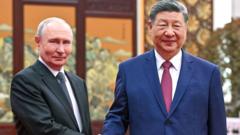
Vladimir Putin wrapped up his state visit to China without securing a major new pipeline deal, exposing fissures beneath the surface of Moscow and Beijing's public alliance. While the two leaders projected unity on geopolitical matters, the absence of a freshly inked energy agreement signals that China remains cautious about deepening economic entanglement with Russia.
Putin received the full ceremonial treatment during his time in Beijing. Xi Jinping hosted the Russian president with pageantry befitting a major partner, and both nations reaffirmed their commitment to countering Western influence. On paper, the visit delivered symbolic wins: strengthened rhetoric against U.S. hegemony, declarations of partnership, and the appearance of an unshakeable bloc.
Yet the pipeline silence speaks volumes. Russia has long sought major infrastructure deals to lock in long-term Chinese energy purchases and secure Moscow against Western sanctions. Energy exports remain Russia's financial lifeline, particularly after Western nations cut ties following the Ukraine invasion. China, however, appears unwilling to make binding commitments that could expose it to secondary sanctions or limit its negotiating leverage.
BBC's Russia Editor notes that beneath the carefully choreographed optics lies transaction-based pragmatism. China supports Russia's defiance of the West rhetorically, but Beijing guards its economic interests zealously. The two nations share adversarial positions toward Washington and NATO, yet they operate from different vulnerabilities. Russia depends on China far more than the reverse.
This visit illustrates a pattern: Moscow and Beijing align on opposing the Western-led order, but their relationship remains transactional rather than truly integrated. Putin leaves with political theater and no concrete energy pact, a reminder that even authoritarian partnerships have limits when money and geopolitical leverage enter the room.