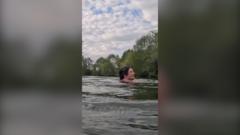
England's inland river bathing sites face widespread water safety warnings after authorities discovered potential contamination risks across almost all official locations. The Environment Agency and local health officials have posted cautionary signs at these designated swimming spots, citing concerns about water quality that could pose health risks to swimmers.
The warnings reflect ongoing issues with water pollution in England's rivers, particularly related to sewage discharge and agricultural runoff. Heavy rainfall events often overwhelm treatment systems, forcing water companies to release untreated sewage directly into waterways, a practice that occurs hundreds of times annually. This contamination introduces harmful bacteria and pathogens that make bathing dangerous.
The closure of bathing sites represents a significant setback for England's outdoor swimming culture, which has grown substantially over the past decade. Wild swimming communities and leisure swimmers who embraced river bathing as an alternative to chlorinated pools now face restricted access to these natural facilities.
Water quality testing has identified elevated levels of E. coli and other harmful microorganisms at multiple sites. These pathogens cause serious illnesses including gastroenteritis and respiratory infections. Vulnerable populations, including young children and immunocompromised individuals, face particularly high risks from exposure.
The situation underscores the broader crisis facing England's water infrastructure. Despite investment commitments from water companies, aging sewage systems and insufficient treatment capacity remain chronic problems. Environmental groups have escalated calls for stricter penalties against water companies that discharge untreated sewage and for accelerated infrastructure upgrades.
Local authorities continue monitoring water quality conditions, with hopes that improved weather patterns and infrastructure improvements may eventually allow safe reopening of bathing sites. Until then, swimmers seeking outdoor water recreation must rely on designated coastal bathing beaches with better monitoring systems or turn to alternative inland locations outside the official network.