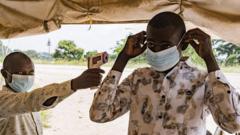
The World Health Organization warns that an effective Ebola vaccine remains nine months away as the outbreak continues to accelerate across the region. The WHO reports 600 confirmed cases and 139 deaths, with numbers climbing faster than containment efforts can manage.
The delay in vaccine availability reflects the complex timeline for clinical trials and regulatory approval, even with expedited protocols in place. Health authorities are prioritizing contact tracing and isolation measures to slow transmission while they await viable pharmaceutical interventions. The extended timeline puts immense pressure on frontline medical teams working with limited resources and protection in affected areas.
Current outbreak response relies on quarantine protocols, infection control practices, and epidemiological surveillance. Health workers face mounting risks as case numbers spike and healthcare systems in outbreak zones become overwhelmed. The WHO has activated emergency coordination across multiple countries to coordinate cross-border response efforts and supply chains for protective equipment and treatment support.
The nine-month projection assumes trials proceed without major complications and regulatory bodies grant approvals on accelerated schedules. Any setback in testing or manufacturing could extend availability further. Governments and international health bodies are mobilizing funding and logistical support to bridge the gap until vaccines reach distribution.
This outbreak underscores persistent vulnerabilities in global health emergency response, particularly in regions with fragile healthcare infrastructure. Previous Ebola outbreaks demonstrated that early intervention and rapid vaccination campaigns dramatically reduce transmission rates. The race against time continues as public health agencies implement every available tool beyond vaccination to contain spread and protect populations in high-risk zones.