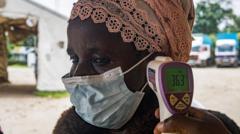
Eastern Democratic Republic of Congo faces a resurging Ebola outbreak as fear spreads through communities already devastated by years of conflict and instability. The health minister admitted that medical teams have fallen behind in containing the virus, hampered by delayed detection and limited resources in a region where mistrust of authorities runs deep.
The acknowledgment marks a critical turning point in the outbreak response. Health officials now confront a race against time to track contacts, establish treatment centers, and vaccinate vulnerable populations before cases accelerate exponentially. Previous Ebola outbreaks in the DRC have demonstrated how quickly the virus spreads in areas with weak infrastructure and limited access to healthcare.
Residents express profound exhaustion. One community member captured the sentiment bluntly: "Ebola has tortured us." The statement reflects years of psychological trauma from repeated health crises, armed conflict, and displacement that have destabilized the eastern provinces. Survivors of previous outbreaks carry lasting physical and social scars, while current patients face isolation and the virus's devastating mortality rate.
The detection lag underscores structural vulnerabilities in the DRC's disease surveillance system. Security concerns prevent health workers from reaching some areas. Misinformation about treatment persists. Armed groups restrict movement. These factors combined create ideal conditions for Ebola's transmission across borders and into neighboring countries.
International health organizations have begun deploying support, but the window for containment narrows daily. The outbreak demands not only medical intervention but also trust-building with communities skeptical of government health campaigns after decades of neglect. Without rapid action and community cooperation, this outbreak could become another devastating chapter in the DRC's long struggle with infectious disease.