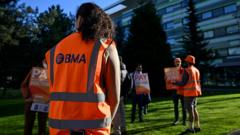
Resident doctors in England ended their 15th strike after months of escalating industrial action over pay and working conditions. The walkouts, coordinated by the British Medical Association, represent the longest and most sustained labor action in NHS history.
Junior doctors, who earn between £28,000 and £38,000 annually depending on experience level, launched strikes in March 2023 demanding a pay restoration to 2008 levels when adjusted for inflation. Their wages have fallen roughly 26 percent in real terms over the past 15 years, making training posts increasingly unaffordable in major cities like London.
The dispute centers on a fundamental gap between what the government offered and what doctors demanded. The NHS initially proposed a three percent raise, later increased to five percent, while the BMA pushed for 35 percent restoration of lost earnings. Negotiations dragged through multiple rounds of talks, with both sides trading accusations of bad faith engagement.
The strikes severely disrupted NHS services, with emergency procedures postponed and routine appointments canceled throughout the campaign. Patient groups expressed frustration with the disruptions, but medical professionals maintained broad public support, with polling showing strong sympathy for their wage grievances.
Recent negotiations appear to have yielded movement. The government sweetened its offer to include backdated pay increases and improved contract terms, though exact figures remained under wraps during ongoing discussions. The BMA's decision to end walkouts suggests members voted to accept terms substantially better than initial proposals, though full details emerge through NHS messaging.
The resolution marks a significant moment for public sector labor relations in Britain. Junior doctors' persistence has reshaped conversation around NHS recruitment and retention at a time when medical schools report declining application rates. Their victory could embolden other NHS staff pursuing similar pay restoration claims.