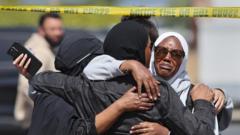
Three people died in a shooting at a San Diego mosque that authorities are treating as a hate crime. Two teenage suspects, aged 17 and 18, carried out the attack. Investigators recovered a note left by one of the attackers containing what officials describe as "generalised hate rhetoric."
The shooting occurred at the mosque during what would have been a routine gathering. The victims' deaths mark a tragic escalation in violence targeting religious communities. Law enforcement has classified the incident as a suspected hate crime, indicating the attackers selected their target based on the victims' faith or ethnicity.
The presence of a written note distinguishes this case from other mass shootings. Rather than remaining anonymous through their violence, one suspect documented hateful ideology before or after the attack. This documentation provides investigators with direct evidence of motive, moving beyond speculation about intent.
The age of the suspects raises questions about radicalization pathways among teenagers. Both attackers were minors, suggesting exposure to extremist content or rhetoric occurred during their youth. School records, social media activity, and peer networks will likely become central to understanding how teenagers adopted violent ideologies.
Hate crimes targeting religious spaces have increased in frequency across the United States. Mosques have faced multiple attacks in recent years, creating justified fear within Muslim communities. This San Diego shooting joins a pattern of violence that extends far beyond isolated incidents.
The suspects now face murder charges alongside hate crime enhancements, which carry additional legal consequences. Prosecutors will pursue the case through either juvenile or adult court systems depending on jurisdiction rules and the severity of charges. The investigation continues as authorities examine the suspects' communications, online activity, and associations to identify any broader networks or planning.