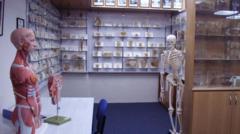
Tasmania's government has issued a formal apology after an investigation uncovered that a museum secretly retained 177 human specimens from dozens of bodies without consent or proper disclosure. The scandal centers on institutional practices that violated families' trust and Aboriginal cultural protocols.
The retained specimens included organs, tissue samples, and skeletal remains held by the institution over extended periods. Authorities discovered the specimens were never properly documented in official inventories, allowing the retention to go undetected for years. The investigation revealed systemic failures in transparency and accountability across multiple departments.
Aboriginal communities expressed particular concern about the specimens, as many came from Indigenous individuals. The unlicensed retention directly contradicts established protocols for handling Indigenous remains, which require consultation with descendant communities and adherence to cultural protocols around death and burial practices.
The apology addresses both the families of deceased individuals and Aboriginal groups affected by the practice. Tasmania's government committed to improving oversight mechanisms, establishing clearer retention policies, and ensuring future compliance with consent requirements. Officials pledged to work with affected communities on a repatriation process and appropriate final disposition of the specimens.
This scandal parallels similar controversies in Australia and globally, where museums and institutions have faced reckoning over historical practices of retaining human remains without consent. Such discoveries have prompted broader institutional reviews and legislative changes requiring explicit consent and community engagement before retention.
The case underscores ongoing tensions between institutional collections practices and evolving ethical standards around bodily autonomy, cultural respect, and informed consent. Tasmanian authorities indicated the investigation was continuing to determine whether additional specimens remain undocumented.