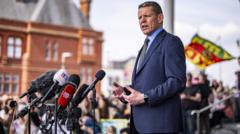
Rhun ap Iorwerth stands on the threshold of becoming Plaid Cymru's first first minister, a remarkable ascent for a broadcaster-turned-politician navigating his party through internal chaos. The Welsh nationalist party, long fractured by leadership instability and policy disagreements, has consolidated behind ap Iorwerth as it eyes potential power in Wales.
The transition from media to politics shaped ap Iorwerth's approach to messaging and public engagement. His background in broadcasting gave him communication skills that proved invaluable as Plaid Cymru weathered successive crises. The party has endured years of organizational dysfunction, but recent polling suggests Welsh voters are reconsidering nationalist leadership.
Plaid Cymru has struggled to maintain coherence across its coalition of left-wing activists, Welsh-language advocates, and pragmatic centrists. Previous leaders failed to bridge these factions, leaving the party vulnerable to irrelevance. Ap Iorwerth's emergence reflects a reset. His media credentials and relative outsider status within traditional party hierarchies positioned him as a unifying figure above factional infighting.
The path to first minister remains contested. Welsh Labour currently governs, though support has eroded over corruption scandals and governance failures. The Scottish National Party's similar moment offers a template. Plaid Cymru must convert organizational repair into electoral gains and convince voters that Welsh nationalism offers tangible policy improvements, not just identity politics.
Ap Iorwerth faces immediate tests on devolution funding, healthcare provision, and the Welsh language. His background in broadcast journalism means he understands how narratives shape political outcomes. That skill set matters less than policy delivery once in office. Whether Plaid Cymru can translate disarray into momentum depends on whether voters believe ap Iorwerth can execute beyond the rhetoric of Welsh independence.