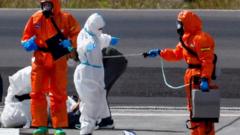
A hantavirus exposure incident has triggered passenger repatriation, raising questions about public health risk. Hantavirus infections remain rare in human populations, with transmission occurring through contact with infected rodent droppings, urine, or saliva. Person-to-person spread is extremely limited, making widespread outbreaks unlikely.
The virus causes hantavirus pulmonary syndrome, a severe respiratory illness with fatality rates between 30 and 40 percent in confirmed cases. Early symptoms mimic flu, featuring fever, muscle aches, and coughing. Progression to respiratory distress occurs rapidly in severe cases, typically five to ten days after initial exposure.
Prevention centers on rodent control and avoiding contaminated environments. Healthcare workers recognize hantavirus through clinical presentation and laboratory testing, allowing early supportive care that improves survival odds. No vaccine exists, making prevention the primary defense.
The repatriation response reflects standard epidemiological caution. Authorities monitor exposed individuals for symptom development while identifying potential secondary exposures. The wider public faces minimal direct risk unless living in areas with active rodent infestations, particularly in rural or wilderness settings where hantavirus circulates in deer mouse, cotton rat, and rice rat populations.
Historical U.S. cases peak in spring and early summer when rodent activity increases and humans spend more time outdoors. The 1993 Four Corners outbreak killed 13 people and triggered national awareness, but annual case counts typically remain under 10 in the United States.
For those exposed through this incident, quarantine monitoring and rapid medical attention if symptoms emerge remains the appropriate protocol. Broader public concern should remain proportionate. Hantavirus represents a genuine but geographically and seasonally limited health threat. Standard rodent avoidance practices protect the vast majority of people from infection.