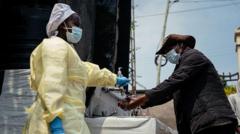
An Ebola outbreak in the Democratic Republic of Congo has killed at least 131 people, triggering a declaration of international emergency from the World Health Organization. The designation reflects the severity of the virus's spread and marks a critical escalation in the public-health response to the epidemic.
The WHO's emergency declaration carries substantial weight in global health governance. It signals to member nations that coordinated international action is necessary and can unlock additional funding, personnel, and medical resources. The DRC has faced multiple Ebola outbreaks over the past decade, but each resurgence presents fresh challenges in contact tracing, vaccination campaigns, and containment within regions with limited healthcare infrastructure.
Ebola hemorrhagic fever carries a fatality rate of up to 90 percent in certain strains. The virus spreads through direct contact with blood or body fluids of infected individuals or animals, making rapid isolation and infection control protocols essential to stopping transmission. The DRC's geography, political instability, and resource constraints complicate outbreak response efforts that depend on swift identification of cases and isolation of contacts.
The international emergency status typically prompts coordinated responses from health agencies, nongovernmental organizations, and donor nations. Diagnostic capacity, personal protective equipment, and trained epidemiologists become focal points for deployment. The declaration also encourages neighboring countries to heighten border surveillance and prepare their own health systems for potential spread.
Previous DRC Ebola outbreaks have demonstrated the feasibility of containing the virus through aggressive public-health measures, though success depends heavily on community cooperation and trust in medical institutions. Health workers face particular risk during these outbreaks and require specialized training and protection.
The WHO's emergency declaration underscores that this outbreak transcends regional borders as a threat to global health security. International resources and coordination now mobilize toward containing the virus before case numbers expand further.