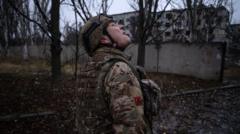
Ukrainian forces are deploying autonomous weapons and remote-controlled systems across front-line positions, fundamentally reshaping how ground combat unfolds in the two-year-old conflict. Drones, loitering munitions, and robotic platforms now conduct reconnaissance and direct fire missions that once required soldiers to expose themselves to Russian artillery and small-arms fire.
The shift reflects a strategic necessity. Ukraine faces a manpower shortage against a larger Russian force, forcing military planners to maximize technological advantages where available. Domestically sourced and Western-supplied systems fill gaps in personnel, allowing Ukrainian units to hold territory with fewer troops while maintaining defensive firepower.
Yet machines cannot fully replace soldiers. Human troops remain essential for holding ground, conducting close-quarters combat, and making split-second tactical decisions in chaotic battlefield conditions. The most effective Ukrainian positions combine both. Automated systems provide sustained suppressive fire and eliminate exposed enemy movements from distance. When Russian forces attempt assault tactics, entrenched infantry delivers the decisive defense.
The "kill-zone" terminology reflects the reality of modern mechanized warfare on this front. Coordinates saturated with overlapping drone coverage, artillery coordinates, and automated weapon systems create areas where Russian advances face near-total attrition before reaching Ukrainian positions. This layered defense model has slowed Russian territorial gains significantly since early 2022.
NATO observers note the conflict serves as a live laboratory for hybrid human-machine warfare. The strategies emerging here will influence doctrine across allied forces for years. Ukraine's improvisation with commercial drones modified for military use has proven particularly valuable, forcing military theorists to reconsider assumptions about technology requirements.
Recruitment and retention remain critical concerns for Kyiv regardless of automation gains. Troops still must occupy trenches, conduct patrols, and mount counteroffensives. Technology extends operational capability but cannot substitute for sustained manpower commitments. As the conflict persists, balancing machine deployment with soldier welfare becomes a defining challenge for Ukrainian command.