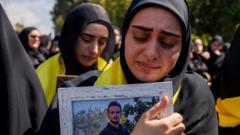
The death toll from Israeli military operations in Lebanon has exceeded 3,000 people, according to Lebanese officials, marking a devastating escalation in the conflict between Israel and Hezbollah that began in March. The milestone arrives despite the existence of a nominal ceasefire agreement between the two sides.
The rising casualty count underscores the intensity of the ongoing hostilities. Israeli strikes have targeted Hezbollah positions and infrastructure across Lebanese territory, with civilian areas frequently affected in the densely populated country. Lebanese health authorities and government officials have documented the deaths, which include both combatants and civilians caught in the crossfire.
The conflict intensified following cross-border attacks attributed to Hezbollah, prompting Israel to respond with sustained air campaigns and military operations. Despite diplomatic efforts to establish ceasefires and de-escalation measures, the fighting has persisted, with both sides continuing operations. The nominal ceasefire has proven fragile, with violations reported by both parties.
The 3,000-death milestone reflects the scale of destruction across Lebanon. Hospitals have become overwhelmed with casualties, and infrastructure damage has compounded the humanitarian crisis. Families have fled border regions, creating displacement challenges and straining resources in other parts of the country.
International observers and humanitarian organizations have called for sustained diplomatic pressure to establish a lasting ceasefire and create space for humanitarian aid. The prolonged conflict has drawn attention from global powers and regional actors invested in de-escalation. Aid organizations report difficulties accessing affected areas to deliver medical supplies and food assistance.
The death toll continues to climb as military operations proceed, with no clear resolution to the underlying tensions between Israel and Hezbollah. The humanitarian cost of the conflict remains staggering, with civilians bearing the heaviest burden of the extended military confrontation.