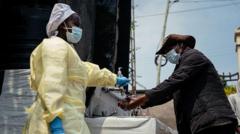
A new Ebola outbreak in the Democratic Republic of Congo has killed at least 100 people, with one American among six U.S. citizens exposed to the virus. One of the Americans is showing symptoms, according to reports.
The outbreak centers in one Congo province that has recorded 390 confirmed cases. The virus spreads through contact with blood and bodily fluids of infected people, making healthcare workers and family members caring for patients particularly vulnerable. The U.S. presence in the affected area reflects American involvement in disease surveillance and outbreak response operations across Central Africa.
Ebola outbreaks in Congo are not unprecedented. The country has experienced multiple epidemics over the past two decades, including the 2014-2016 West African outbreak that killed more than 11,000 people across Guinea, Liberia, and Sierra Leone. Each outbreak tests international response capabilities and vaccine deployment strategies. The current incident occurs against a backdrop of ongoing health infrastructure challenges in Congo, where medical resources remain limited and disease tracking systems face significant obstacles.
The exposure of American personnel highlights the occupational risks faced by international health workers and diplomats stationed in outbreak zones. These individuals work on contact tracing, sample collection, and coordination with local health authorities. Their safety protocols include protective equipment and vaccination when available, though no vaccine guarantees complete protection.
Congo's Ministry of Health typically coordinates response efforts with the World Health Organization, international NGOs, and foreign governments. Early reporting and rapid containment measures remain critical to preventing wider spread. The 390-case count indicates the outbreak has already established transmission chains within the community, making isolation and monitoring of contacts essential.
The involvement of American citizens underscores how modern disease threats transcend borders and demand coordinated global response. Updates on the symptomatic American's condition and the broader outbreak trajectory will determine whether additional international resources arrive in Congo.