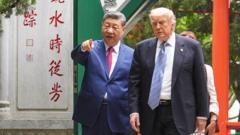
Donald Trump and Xi Jinping held two days of talks at Mar-a-Lago that both leaders framed as positive, yet produced no confirmed trade agreements or policy breakthroughs. The bilateral meeting featured formal ceremonies and diplomatic pageantry but stopped short of delivering concrete outcomes on the tariff disputes and economic tensions that have defined U.S.-China relations since Trump's first term.
Trump called the discussions "very successful" in public remarks, while Chinese state media emphasized the cordial tone of the engagement. Both sides signaled willingness to improve relations after years of escalating trade friction, technology restrictions, and geopolitical competition. The talks covered familiar pressure points including intellectual property, market access, and semiconductor policy, yet neither delegation announced specific commitments or timelines for resolution.
The lack of tangible deals reflects the complexity of current U.S.-China dynamics. Trump faces pressure from his political base to take a harder line on Chinese imports and manufacturing, while Xi operates under domestic constraints tied to economic slowdown and strategic competition for technological dominance. Neither leader could afford to appear to cave to the other, limiting room for major concessions.
Observers note the value of sustained dialogue itself, particularly after years of elevated hostility. Regular communication channels reduce miscalculation risks in an already fractious relationship. However, analysts cautioned that ceremonial meetings without measurable progress risk becoming theater rather than substance, especially as both nations navigate competing interests in semiconductors, artificial intelligence, and regional security.
The visit signals both leaders recognize the need for stabilized relations, but structural disagreements on trade, technology transfer, and geopolitical influence remain unresolved. Expect continued negotiations through lower-level officials in coming months.