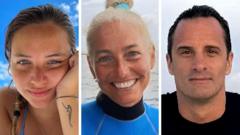
Five Italian divers died during a cave diving expedition in the Maldives, with four of the victims affiliated with the University of Genoa. The incident marked a tragedy for the research and diving communities, as the team was conducting underwater exploration in the archipelago when something went critically wrong inside the cave system.
Cave diving ranks among the most dangerous forms of scuba diving. It demands specialized training, equipment, and strict safety protocols due to the confined spaces, limited visibility, and potential for disorientation. Divers face risks including nitrogen narcosis, decompression sickness, and equipment entanglement in tight passages. The Maldives attracts experienced divers worldwide because of its warm waters and extensive underwater cave systems, but these same features create hazardous conditions for exploration teams.
The University of Genoa connection suggests this was likely a scientific or educational diving mission rather than recreational tourism. Italian universities have long conducted marine research in tropical locations, studying biodiversity and geological formations. The involvement of university personnel indicates the group possessed formal training and institutional oversight, yet the cave environment still proved fatal.
Details surrounding the exact cause of the deaths remained under investigation. Cave diving accidents typically stem from equipment failure, disorientation, rapid air depletion, or panic responses in confined spaces. Rescue operations in underwater caves present enormous challenges for authorities, complicating both recovery efforts and accident reconstruction.
The tragedy highlights ongoing risks in deep-water exploration, even for trained professionals with institutional backing. Diving safety organizations worldwide use such incidents to refine protocols and equipment standards, though the inherent dangers of cave diving ensure it remains one of the sport's highest-risk disciplines.