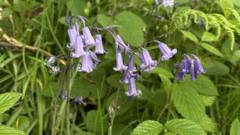
The Woodland Trust has launched a public appeal asking visitors to protect fragile bluebell populations by staying on designated paths while exploring woodland areas. The organization's warning comes as spring bluebell season draws crowds to forests across the UK, with many people eager to photograph the vibrant purple flowers.
Trampling off marked trails destroys delicate bluebell plants and damages the soil structure that supports their growth. The flowers, which bloom for only a few weeks each year, take years to establish and spread naturally across woodland floors. A single season of heavy foot traffic can set back recovery efforts by months or years.
The Woodland Trust emphasizes that bluebells face multiple threats beyond visitor impact, including deer grazing, invasive species, and habitat loss. However, human disturbance during peak blooming season remains preventable through conscious behavior. The trust specifically targets photographers, who often venture off paths seeking ideal angles and compositions for social media content.
The organization's "stick to the path" campaign aligns with broader conservation messaging aimed at balancing public access to natural spaces with environmental protection. Many UK woodland sites now feature rope barriers and signage during bluebell season to guide foot traffic away from sensitive areas.
Bluebells rank among Britain's most iconic wildflowers, with their abundance a marker of ancient woodlands. Their ecological value extends beyond aesthetics. The flowers provide crucial early-season nectar for bees and other pollinators emerging from winter dormancy, making their preservation essential for broader ecosystem health.
Visitors who respect pathway boundaries help ensure future generations can experience these native woodlands in their full spring glory.