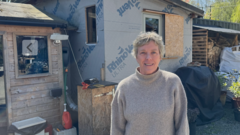
Jane and Tony Coyle have spent seven years trapped in a temporary living situation, unable to build a permanent home on their Herefordshire property because of persistent River Lugg pollution. The couple's plans for a residential dwelling faced repeated rejections from local planning authorities citing environmental concerns tied to the waterway's degraded state.
The River Lugg, which borders their land, has suffered from agricultural runoff and sewage contamination that violates water quality standards. Planning officials blocked construction permits because adding new homes to the area would increase pressure on an already stressed water system. The delay has forced the Coyles to remain in a makeshift shed while their dream of a proper house languishes in bureaucratic limbo.
Their case exposes a growing tension between rural development and environmental protection in the UK. Hundreds of properties across England now face similar planning freezes due to river nutrient pollution, particularly nitrogen and phosphorus. Water companies and agricultural operations have faced mounting scrutiny over their role in fouling waterways, yet residents pay the price through blocked construction and frozen property values.
The Environment Agency has classified stretches of the Lugg as failing water quality benchmarks under the Water Framework Directive. Until pollution levels improve, local councils maintain strict policies preventing new residential development in affected areas. The Coyles applied for various exemptions and mitigation schemes, but each avenue proved fruitless.
Their situation reflects a wider crisis affecting rural communities across the Midlands and Southwest. Farmers, developers, and homeowners increasingly find themselves caught between regulatory requirements and practical reality. Without significant investment in wastewater treatment infrastructure and agricultural practices, these planning deadlocks will likely persist for years.