# Ancient Octopus Fossil Reveals Colossal Deep-Sea Predator
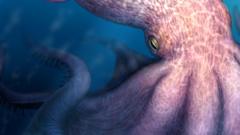
Paleontologists have identified fossil evidence of a colossal octopus species that dominated ancient oceans roughly 100 million years ago. The creature measured approximately 19 meters in length, making it a significantly larger relative of modern octopuses, which typically max out at 3 meters.
The discovery comes from fossilized remains that showcase the animal's massive arms and body structure. Unlike their contemporary counterparts, these ancient cephalopods operated in a vastly different marine ecosystem where giant squid and other enormous invertebrates competed for dominance in deep waters.
The 100-million-year timeline places this octopus during the Cretaceous period, an era when dinosaurs still roamed land. Ocean conditions differed markedly from today. Water temperatures, oxygen levels, and prey availability all influenced the evolution of marine life to extraordinary proportions.
Researchers suggest that the sheer size of these creatures indicates they occupied apex predator roles in their habitats. Their intelligence and hunting capabilities, traits modern octopuses display in compact form, would have made them formidable hunters equipped with powerful arms and sophisticated nervous systems for capturing prey.
The fossil evidence remains relatively rare. Soft-bodied invertebrates like octopuses preserve poorly in the geological record, so complete specimens offer invaluable windows into ancient biodiversity. Each discovery expands understanding of how marine ecosystems functioned before modern ocean conditions took hold.
This find adds to growing evidence that ancient seas harbored creatures operating at scales that dwarf most living ocean animals today. It underscores how dramatically environmental conditions shaped the size and diversity of marine predators millions of years before humans ever entered the equation.