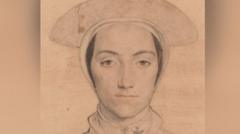
A team of computer scientists claims to have identified a previously unknown sketch of Anne Boleyn, the second wife of King Henry VIII, using AI and image analysis techniques. The researchers applied facial recognition and comparative analysis to historical documents, matching physical features across known and suspected portraits of the Tudor queen.
The discovery hinges on algorithmic pattern-matching applied to Renaissance-era drawings. The team argues their digital methodology reveals characteristics consistent with authenticated images of Boleyn, including bone structure and facial proportions. If verified, the sketch would provide rare visual documentation of a figure whose appearance remains contested among historians.
However, skepticism runs deep. Art historians and Tudor scholars question whether AI can reliably analyze centuries-old sketches with degraded provenance and artistic interpretation layered in. The specificity required to distinguish Boleyn from other aristocratic women of her era, based solely on algorithmic analysis, presents methodological challenges. Renaissance portraiture served political and allegorical purposes, not documentary ones. Artists took liberties with likeness.
The debate reflects broader tensions in how institutions deploy AI for historical research. While computer vision shows promise in analyzing large visual datasets, human expertise in historical context, material analysis, and artistic convention remains irreplaceable. Tudor historians stress that facial recognition works best with photographs and modern imagery, not hand-drawn sketches filtered through centuries of handling, copying, and artistic convention.
Boleyn's actual appearance remains elusive. Contemporary accounts vary wildly. The sketch, if genuine, might illuminate one of history's most scrutinized figures. But the journey from algorithm to artifact requires scrutiny beyond the computational.
THE TAKEAWAY: Digital methods can augment historical research but cannot replace expert skepticism about source material and artistic intention.