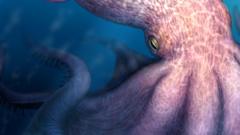
Paleontologists have uncovered fossil evidence suggesting giant octopuses prowled Earth's oceans roughly 100 million years ago, during the Cretaceous period. The discovery points to a creature spanning approximately 19 metres in length, making it substantially larger than any octopus species inhabiting modern seas.
The findings emerge from fossilized remains that reveal anatomical characteristics consistent with cephalopod biology. Researchers analyzed preserved soft tissue and skeletal structures to determine the specimen's size and ecological role in ancient marine ecosystems. The sheer scale of this organism suggests it functioned as a dominant predator within Cretaceous oceans, hunting large fish and potentially other marine reptiles.
Modern octopuses typically max out at around 3 metres in length. The existence of Cretaceous-era specimens five to six times larger reshapes understanding of prehistoric cephalopod evolution and ocean food webs. Scientists believe environmental conditions of that era, including abundant prey populations and different oceanic chemistry, may have supported such massive organisms.
The discovery contributes to broader research into how marine life adapted and evolved across geological timescales. Fossil records of soft-bodied creatures remain exceptionally rare, making this find particularly noteworthy for specialists studying ancient cephalopod development. The specimen provides direct physical evidence rather than inference based on incomplete skeletal remains.
These findings raise questions about predator-prey dynamics in ancient oceans and how environmental shifts over millions of years shaped marine biodiversity. The research invites further investigation into whether other oversized cephalopod species existed during the Mesozoic Era.
KEY INSIGHT: Direct fossil evidence now documents that ancient octopuses dwarfed their modern counterparts by orders of magnitude.