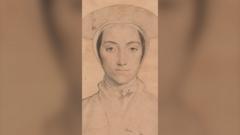
Researchers using facial recognition and AI analysis have challenged the authenticity of historical portraits long attributed to Anne Boleyn, the second wife of Henry VIII. An algorithm examined paintings in major collections and found significant discrepancies with contemporary records and known depictions.
The study applies modern computer vision techniques to Tudor-era portraiture, cross-referencing facial features, bone structure, and artistic conventions of the period. The findings suggest some widely reproduced images may have been misidentified or created after Boleyn's 1536 execution, potentially representing idealized versions rather than accurate likenesses.
This research adds complexity to how we understand historical figures through art. Portrait misattribution remains common in museum collections, especially for figures from centuries past. The algorithm's analysis revealed inconsistencies that art historians had debated for years but lacked concrete methods to verify.
Boleyn remains one of history's most recognizable figures, her image reproduced across books, film, and television. If these portraits are inaccurate, it reshapes our visual understanding of her entirely. The methodology could reshape how museums and scholars verify artwork provenance and subject identity going forward.
The research highlights both the promise and limitations of AI in historical analysis. While algorithms can identify patterns invisible to the human eye, they operate within datasets that reflect existing biases and knowledge gaps. The debate over Boleyn's true appearance will likely continue as scholars integrate these findings with traditional art historical methods.
THE TAKEAWAY: AI is beginning to challenge centuries-old assumptions about how famous historical figures actually looked.