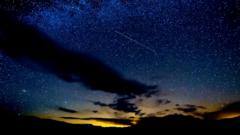
The Eta Aquariid meteor shower peaks this week, offering stargazers a chance to catch up to 40 meteors per hour streaking across the night sky. The shower originates from debris left by Halley's Comet as Earth passes through its orbital path.
Best viewing happens between May 5 and 7, with the peak occurring around May 6. Observers should head away from city lights and look toward the southeastern sky in the predawn hours, roughly between 3 a.m. and sunrise. The darker your location, the more meteors you'll see. No telescope or binoculars needed. Your eyes adjust better to darkness without optical aid.
The Eta Aquariids rank among the year's most reliable meteor showers. The meteors appear to radiate from the constellation Aquarius, though they'll streak across much of the sky. Bring a blanket, lie flat, and let your eyes adjust for at least 20 minutes before expecting to spot activity.
Weather plays a major role. Cloud cover will block the view entirely, so check forecasts the night before. In the Northern Hemisphere, the shower appears lower on the horizon than for Southern Hemisphere observers, who get the superior vantage point.
This year's shower benefits from a waning crescent moon, which sets early and won't wash out the fainter meteors with excess brightness. That timing boost makes 2024 a particularly good year for Eta Aquariid viewing.
WHY IT MATTERS: Meteor showers offer free, accessible astronomy that requires zero equipment and reconnect people to the night sky.