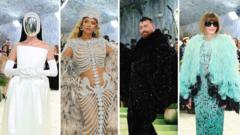
The 2026 Met Gala will pivot toward "Costume Art" as its organizing theme, positioning fashion as a lived and performed art form rather than merely wearable design. The Costume Institute's annual fundraiser, held at the Metropolitan Museum of Art in New York, sets the agenda for how the fashion world thinks about itself for months to come. This theme invites attendees to blur lines between haute couture, theater, and fine art, encouraging designers and celebrities to treat their Met looks as wearable sculptures and narrative statements. The shift signals the museum's intent to frame fashion less as commerce and more as conceptual practice. Expect boundary-pushing silhouettes, avant-garde fabrication, and costumes that prioritize artistic vision over red-carpet convention. The theme will likely spark conversations about craftsmanship, the role of performance in fashion, and how high-fashion design connects to costume design traditions across centuries. For designers, this opens creative doors. Brands will position pieces within art-historical contexts, drawing from theater archives, Renaissance portraiture, and performance art movements. Streaming platforms and social media will amplify whatever emerges as the night's most discussed looks. The Met Gala remains fashion's most influential single event, setting trends that cascade through mainstream culture. A "Costume Art" framework gives luxury houses permission to prioritize innovation and intellectual rigor over wearability, which typically generates the most viral moments and critical analysis among fashion journalists and industry observers.
WHY IT MATTERS: The Met Gala theme shapes how designers, celebrities, and the broader fashion industry approach creative storytelling for an entire year, influencing everything from runway collections to commercial campaigns.