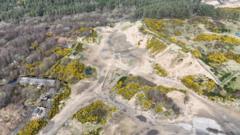
A Scottish nature site faces deterioration while regulators delay a decision on environmental protection. Activists report that developers are actively degrading the area during the four-year waiting period for NatureScot to designate it as a protected site.
The delay has allowed damage to accelerate. Developers continue work in the space without the legal restrictions that protected status would impose. Environmental groups argue the extended review period amounts to de facto permission for destructive activity.
NatureScot's deliberation timeline reflects broader tensions between development interests and conservation. The agency must weigh ecological value against economic pressures from landowners and construction companies. During this limbo period, the site loses habitat and biodiversity while paperwork moves slowly through bureaucratic channels.
The designation process typically involves environmental surveys, stakeholder consultation, and legal assessments. Four years exceeds standard timelines in many conservation decisions, suggesting either complexity or deprioritization within NatureScot's workload. Either way, activists argue the cost falls on the ecosystem.
This pattern recurs across the UK. Protected site designations often stall while applicants test regulatory patience. Developers calculate that delays can outlast conservation momentum. If a site loses enough ecological integrity, the case for protection weakens.
Scottish environmental groups now push for an accelerated decision. They've documented specific damage, photographed degradation, and publicized the stall. Public pressure sometimes moves agencies faster than internal timelines suggest.
The broader issue involves funding and staffing at NatureScot. Budget constraints limit how many designations the agency can process annually. This creates backlogs that benefit opponents of protection.
THE BOTTOM LINE: Four years of regulatory delay has allowed developers to damage a potential nature reserve, exposing gaps in Scotland's conservation enforcement and the cost of moving slowly on environmental decisions.