Global deforestation slowed in 2023, marking the first meaningful drop in tropical forest loss in years. Data released this week shows primary rainforest destruction declined from the previous year, signaling potential progress in conservation efforts across the Amazon, Congo Basin, and Southeast Asia.
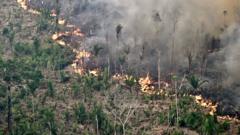
But scientists temper optimism with stark warnings. El Niño conditions, which intensified through 2023 and into 2024, triggered catastrophic wildfires across forest regions. Indonesia, Brazil, and Central Africa experienced record fire activity that could erase gains from reduced logging and land clearing. The combination of drier conditions and human activity creates a volatile mix that reverses hard-won conservation victories.
Primary forests, the most biodiverse and carbon-dense ecosystems on the planet, remain under siege. Deforestation continues at roughly 10 million hectares annually, driven by cattle ranching, agricultural expansion, and illegal logging. Last year's slowdown reflects tighter enforcement in some regions, stronger commodity prices discouraging agricultural expansion, and international pressure on corporate supply chains.
The data offers a narrow window into what's possible. Countries including Indonesia and Brazil implemented stricter forest protections following political transitions. Indigenous land management, which covers roughly 80% of remaining primary forest, continues proving effective at reducing loss rates compared to unprotected areas.
Climate variability poses the deeper threat. As El Niño-driven drought cycles become more frequent and intense, fire risk compounds deforestation's damage. Scientists argue the slowdown in forest loss, while real, remains fragile without addressing underlying climate stability and strengthening protections for remaining primary forests.
Conservation groups frame 2023 as a test case: proof that coordinated policy, enforcement, and market pressure work. But they stress that holding the line requires sustained commitment and climate action to prevent weather patterns from undoing progress.
WHY IT MATTERS: Forest loss drives extinction, erodes carbon sinks critical to climate stability, and threatens indigenous communities. This slowdown suggests intervention works, but El Niño fires reveal how quickly gains collapse without climate solutions.