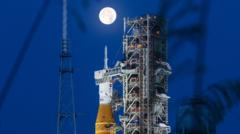
NASA is targeting early April for the Artemis II launch, moving forward after resolving technical issues that previously delayed the mission. The agency confirmed that problems affecting the Space Launch System (SLS) rocket have been addressed and the craft is ready for liftoff.
Artemis II represents a critical step in NASA's broader lunar program. The uncrewed mission will send the Orion spacecraft around the Moon and back, testing systems and life support capabilities ahead of Artemis III, which aims to land astronauts on the lunar surface for the first time since 1972. This represents humanity's return to Moon exploration after a 50-year gap.
The mission has faced repeated setbacks since its original target date in 2021. Technical challenges with the SLS rocket, including engine testing issues and structural concerns, pushed timelines back repeatedly. Early April 2025 marks the latest attempt to get the massive rocket off the launch pad at Kennedy Space Center in Florida.
Success on Artemis II carries outsized importance for NASA's credibility and budget justification. Congress allocated roughly $93 billion to the Artemis program through fiscal 2025, making it one of the agency's most expensive initiatives. Delays have drawn scrutiny from lawmakers and the public alike.
The mission also carries geopolitical weight. China has accelerated its lunar ambitions in recent years, planning its own crewed lunar landing. NASA's Artemis timeline demonstrates American commitment to remaining the dominant spacefaring power and returning humans to the Moon ahead of rival programs.
If Artemis II launches successfully in April, it clears the path for Artemis III, currently targeted for 2026. That mission will attempt to land two astronauts near the lunar south pole, where water ice deposits offer potential resources for future bases.
WHY IT MATTERS: Artemis II's success would validate decades of investment in lunar return capability and reset the timeline for America's next crewed Moon landing.