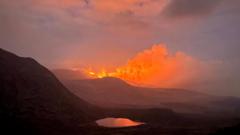
Repeated wildfires in the Mourne Mountains are inflicting catastrophic damage on one of Northern Ireland's most ecologically vital landscapes. Conservation experts warn that recovery could span centuries, with each fire stripping away irreplaceable habitat and biodiversity.
The mountains, which straddle the County Down and County Armagh border, have experienced escalating fire incidents in recent years. Each blaze destroys heathland, moorland, and peat bog ecosystems that took millennia to establish. The damage accumulates faster than nature can regenerate.
A conservation expert described the pattern as "death by a thousand cuts," capturing how incremental fires compound into existential threats. Peat soils store carbon and support rare plant species found nowhere else in the region. Once burned, these soils lose their capacity to retain moisture and nutrients. Vegetation that naturally colonizes scorched peat tends toward invasive grasses rather than the diverse heather and bog plants that originally dominated.
The Mournes rank among Northern Ireland's most biodiverse regions, hosting populations of hen harriers, mountain hares, and plant species dependent on open moorland conditions. Wildfires fragment these habitats into isolated pockets, preventing species migration and breeding success.
Climate change compounds the crisis. Higher temperatures and prolonged dry spells extend fire seasons and increase ignition risk. Human activity, both accidental and deliberate, remains a primary cause of ignition. Reduced management funding limits preventative burning and vegetation clearing that historically reduced catastrophic fuel loads.
Restoration efforts face steep odds. Replanting burned areas proves difficult on degraded peat. Natural recolonization proceeds slowly without active intervention. Conservation bodies now advocate for increased resources devoted to fire prevention, landscape management, and long-term monitoring to prevent the Mournes from becoming a cautionary tale of ecological collapse through repeated disturbance.
WHY IT MATTERS: The Mournes' decline signals how climate-driven wildfire cycles threaten irreplaceable UK ecosystems, with recovery timelines extending beyond human generations.