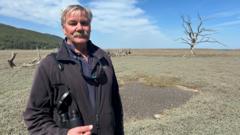
In 1996, Hurricane Molly breached the sea defenses at Porlock in Somerset, England, flooding 2,000 acres of agricultural land. Instead of repairing the walls, the Environment Agency made a radical choice. They allowed seawater to reclaim the land, transforming it into a saltmarsh ecosystem. Three decades later, Porlock Marsh has become a thriving wetland and a case study in "managed realignment," a conservation strategy gaining traction across Europe.
The flooded farmland now hosts over 3,000 plant and animal species. Saltmarsh grasses stabilize the soil. Migratory birds use the habitat as a feeding ground. Fish spawn in shallow pools. The marsh also absorbs storm surge and filters nutrients, providing natural flood protection that cost far less than maintaining traditional defenses.
The decision to let nature reclaim Porlock was controversial at the time. Farmers lost land they'd defended for centuries. But the ecological payoff proved immense. Climate change and rising sea levels make Porlock's approach increasingly relevant. Hard barriers fail or become prohibitively expensive. Saltmarshes offer flexible, self-repairing alternatives that sequester carbon while supporting biodiversity.
Other UK coastal regions, including Essex and East Sussex, have adopted similar strategies. The EU's Water Framework Directive now encourages member states to restore wetlands. Scientists argue that managed realignment represents a necessary shift from fighting nature to working with it.
Porlock shows what happens when humans step back. A disaster became a sanctuary. As storms intensify and seas rise, more communities may follow Porlock's unplanned path toward coexistence.
WHY IT MATTERS: Managed realignment offers coastal regions a cost-effective, climate-resilient alternative to failing infrastructure, turning agricultural loss into ecological gain as sea levels rise.