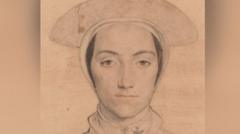
A computer science team has identified what they believe is a previously unknown sketch of Anne Boleyn, King Henry VIII's second wife. The researchers used digital analysis techniques to examine the drawing, arguing it matches historical records and known portraits of Boleyn from the 1530s.
The claim has generated debate among historians and art experts. Skeptics question whether the team's methodology definitively proves the sketch's subject or authenticity, noting that attribution based on computational analysis alone raises concerns without corroborating documentary evidence. Some scholars note that multiple portraits from that era remain difficult to verify with certainty.
The research represents an emerging approach to art history, where computer vision and pattern-matching algorithms assist in identifying historical figures. Supporters say such tools can detect features and patterns the human eye might miss. Critics counter that computer analysis cannot replace traditional art-historical methods like provenance research, archival documentation, and expert examination of materials and technique.
Anne Boleyn remains a culturally significant historical figure, making any discovery connected to her subject to intense public and academic interest. The team's findings will likely require peer review and broader consensus among Tudor historians before the attribution gains wider acceptance in scholarly circles.