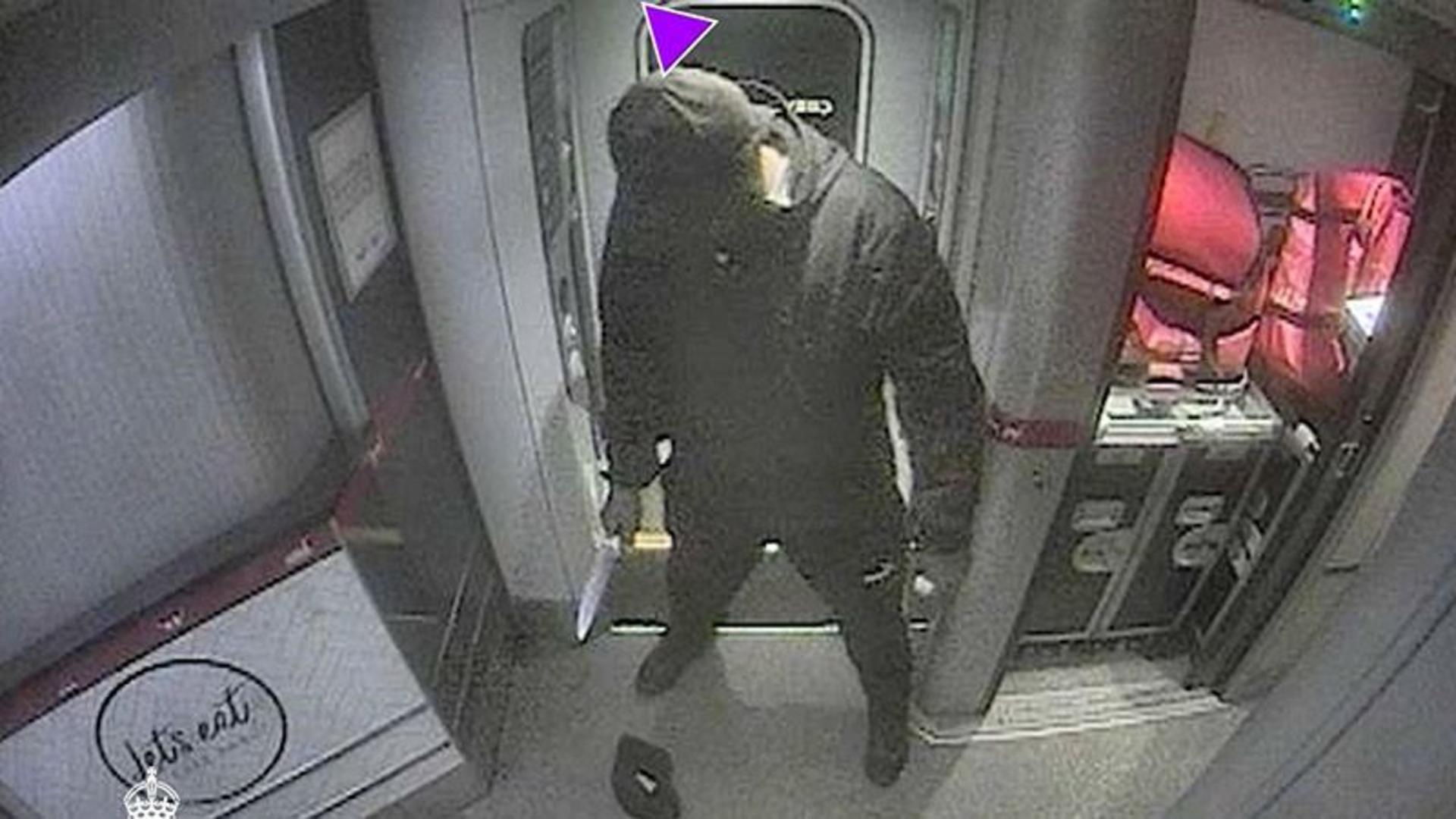
The carriage-by-carriage account of Anthony Williams' attack on the 18:25 Doncaster to London King's Cross train on November 1st reveals not just the horrifying violence that unfolded at 122mph through Cambridgeshire, but a preventable tragedy rooted in mental health failure. Williams, who has schizophrenia, was found guilty of 14 counts of attempted murder after stabbing passengers including footballer Jonathan Gjoshe seven times, Sachin Balakrishnan in the chest and lung, and David Presland multiple times—inflicting at least 15 wounds in Coach J alone during just 40 seconds. What makes this assault particularly damning is that Williams told a doctor his psychosis drugs weren't working days before boarding that train at Peterborough at 19:26.
The fact that Williams was permitted to travel while his psychiatric medication was failing represents a catastrophic breakdown in the system meant to protect public safety. A man experiencing active psychosis severe enough to warrant medication adjustment should not have been free to move about unrestricted, let alone armed with a kitchen knife. The question that must be answered is whether mental health professionals properly escalated their concerns, whether adequate monitoring occurred after he reported his drugs weren't working, and whether crisis intervention protocols were even triggered.
What followed was a testament to civilian courage amid chaos. Passengers like Stephen Crean, a 61-year-old Nottingham Forest fan, wrestled with Williams asking if he wanted to die. Kevin Deely, 58, threw luggage while protecting others. Samir Zitouni, 48, collected frying pans from the kitchen as weapons. Driver Andrew Johnson made a split-second decision to slow the train toward Huntingdon after receiving the alarm at 19:38. These individuals prevented what could have been a massacre, yet they should never have been placed in this position.
The public should not bear responsibility for containing the violent episodes of untreated mentally ill individuals. While Williams' conviction on 14 counts of attempted murder is appropriate, it represents a reactive response to a failure that was preventable through proactive mental health intervention. The system failed 150 passengers on that train, the 14 people wounded, and Williams himself, who clearly required immediate intensive care rather than freedom to travel.
Going forward, mental health services must implement mandatory escalation protocols when patients report that psychiatric medications aren't working. When someone with schizophrenia experiences breakthrough psychosis, their freedom of movement should be temporarily restricted pending urgent reassessment—not as punishment, but as the same duty of care we provide in any medical emergency. The heroism displayed in Coach J, Coach H, and beyond should inspire systemic reform, not commemorate its absence.