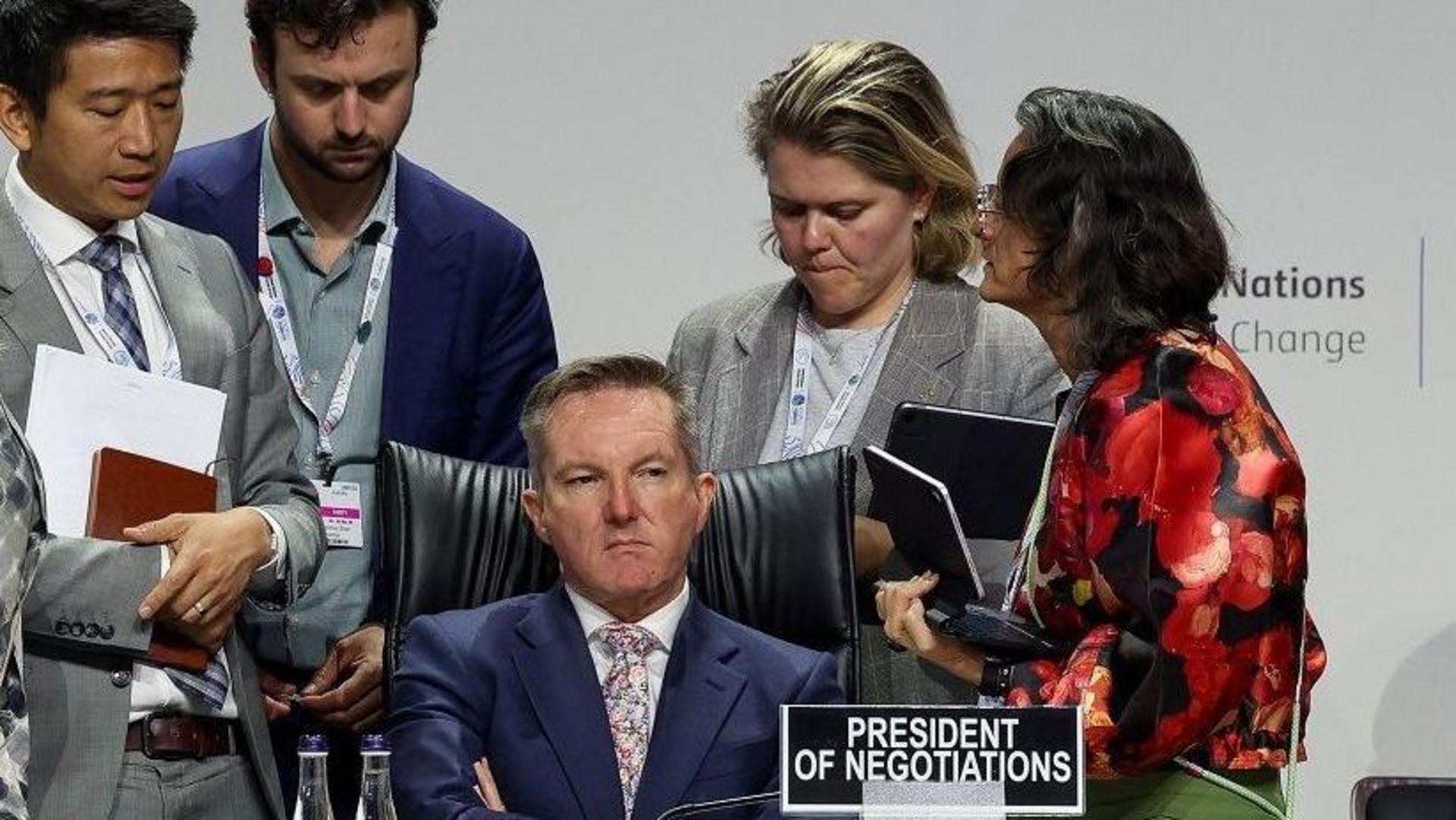
Countries failed to reach a major climate agreement at UN COP31 talks in Turkey after negotiations became the longest in UN climate conference history, running from Friday through Sunday. The collapse centered on two divides: the final draft made no direct mention of fossil fuels, drawing objections from the EU, Pacific island nations and others who said the omission gutted the deal's ambition. Poorer countries objected to the absence of concrete financial commitments from wealthy nations to help them adapt to climate impacts, despite an agreement last year to triple such funding.
The draft agreement only indirectly referenced coal, oil and gas by referencing a COP28 commitment to "transition away" from fossil fuels. Oil-producing nations, including Saudi Arabia and Russia, resisted explicit fossil fuel language. Saudi Arabia's delegate Mohammad Ayoub argued Arab countries accounted for a small share of historical emissions. Russia warned that moving away from fossil fuels too quickly would cause "fuel poverty".
UN Secretary General Antonio Guterres said he was "deeply disappointed" and criticized "powerful fossil fuel interests" for employing tactics he compared to tobacco industry playbooks: "distorting the science, delaying policy, blocking action, and piling up huge profits while people everywhere pay the price". The EU's Darragh O'Brien called the deal "unconscionable" for omitting fossil fuels. Former US Vice President Al Gore said it was "outrageous that a handful of petro-states have veto power over any mention of fossil fuels".
Australian Prime Minister Anthony Albanese, whose country co-hosted the talks, attributed the failure to "difficult geopolitical times". Chris Bowen, the Australian minister leading negotiations, cited "unbridgeable red lines" and "the most complicated and fraught geopolitical environment in living memory". This marks the first major COP agreement collapse since Copenhagen in 2009.