Countries failed to reach a major climate deal at UN COP31 talks in Turkey after negotiations over two weeks exposed divisions on fossil fuels and financial commitments. The talks, which ran into Sunday and became the longest UN climate conference in history, broke down because the final agreement made no direct mention of fossil fuels, the primary cause of global warming. The EU, Pacific island nations and others rejected the deal on these grounds. Irish Minister Darragh O'Brien said it was "unconscionable that we would have a climate pact that makes no mention of fossil fuels." Saudi Arabia and Russia objected to earlier drafts that referenced fossil fuels, with Saudi delegate Mohammad Ayoub arguing Arab countries accounted for only a small proportion of historical greenhouse gas emissions. Poorer nations also objected that the deal contained no concrete financial commitments from richer countries to help them adapt to climate impacts, despite last year's agreement at COP30 to triple such financing. UN Secretary General Antonio Guterres said he was "deeply disappointed" and criticized "powerful fossil fuel interests" for "distorting the science, delaying policy, blocking action." Australian Prime Minister Anthony Albanese, whose country hosted the talks, attributed the failure to "difficult geopolitical times." The last time a COP's main political agreement collapsed was in 2009 in Copenhagen.
Environment
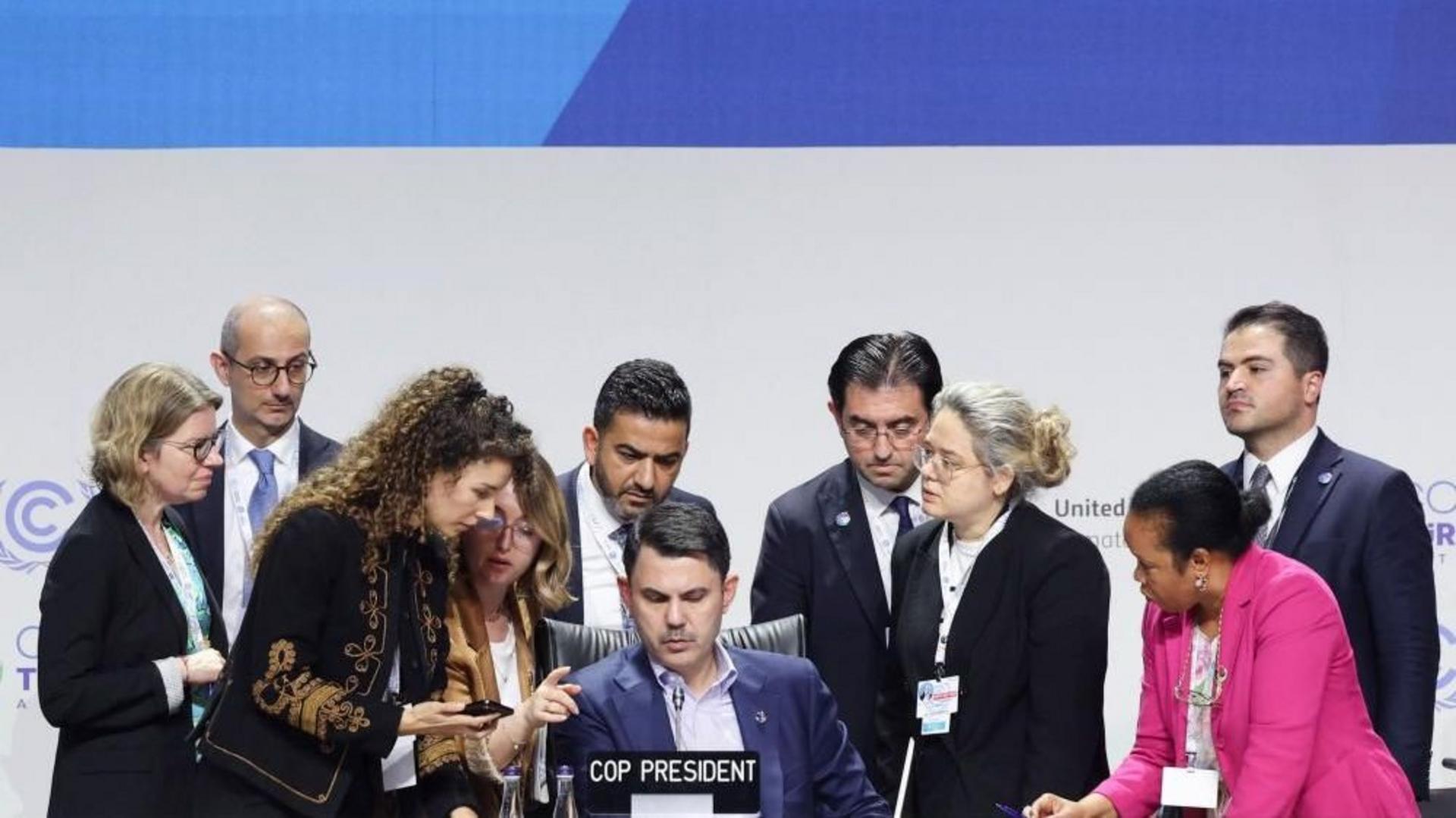
COP31 fails to reach major climate deal as talks expose deep divisions
This article summarizes reporting by BBC News.
Read full story →