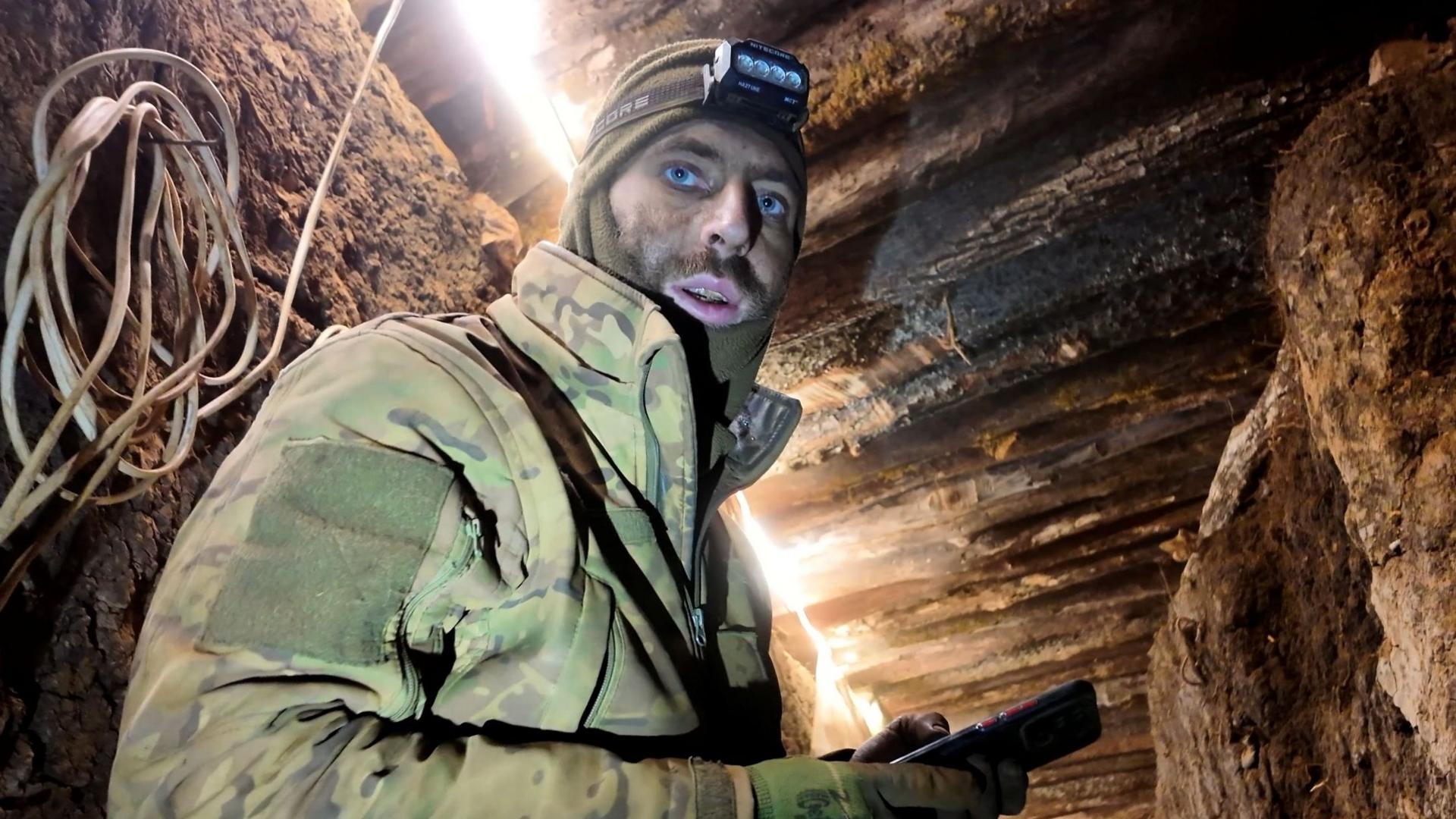
Ukrainian forces have been fighting Russian troops in an old Soviet gas pipeline in the Kharkiv region for the past seven months. The pipeline, with a diameter of just over a metre, offers relative protection from the drones that now dominate the skies above the front line and make surface advances nearly impossible for either side.
Ukrainian troops transport themselves and supplies through the pipeline using specially designed electric carts. They have named it the Kupyansk metro. The journey involves crawling through confined spaces, with soldiers moving on their knees for extended periods.
Operation Veles, which began in April, has seen Ukrainian forces advance 15 kilometres along the pipeline. The initial task involved clearing debris, water, and Russian barricades, some of which were boobytrapped or contained Russian bodies. Ukraine says it has killed more than 100 Russian soldiers and taken 30 prisoners during the operation.
Soldiers report physical and psychological challenges from the underground combat. Some have experienced panic attacks from the confined space, while others have struggled to breathe. Abrasions from crawling are common. A commander notes that some troops have spent three months underground with only brief visits above ground.
Both Ukrainian and Russian forces have built fortified positions inside the pipeline and continue to attempt infiltrations. Zanuda, chief of the planning section of the 13th Khartiia Brigade, says going underground is now the "only option" for fighting. Vovochka, who has been fighting for three weeks, states that the pipeline offers safety because "drones don't fly here, and neither do artillery shells or glide bombs."