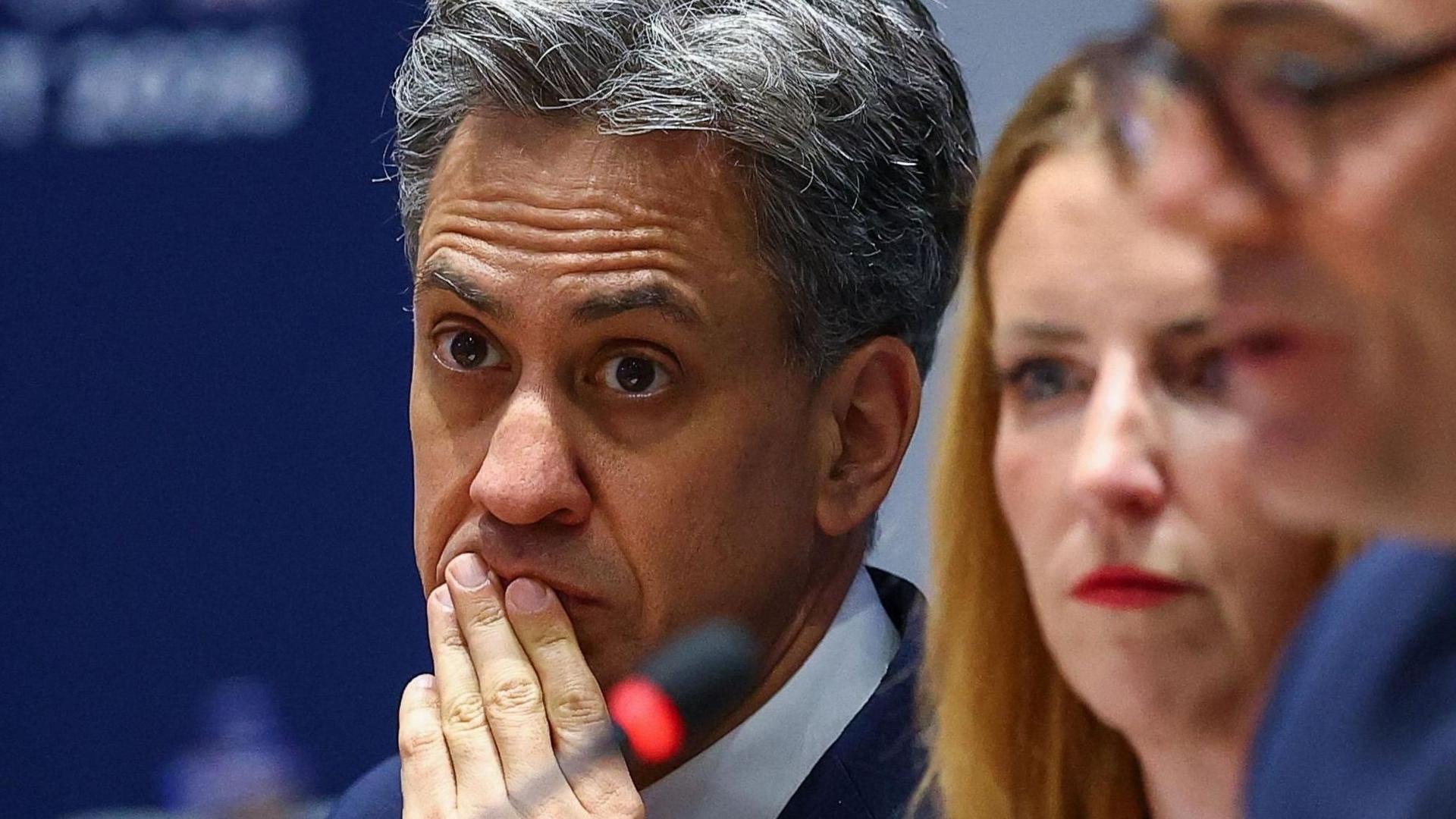
A deal agreed between the UK and the European Union on Friday will take effect regardless of whether both sides reach a separate agreement on university tuition fees, Foreign Secretary Ed Miliband told the BBC. The main accord includes scrapping most checks on British food exports in exchange for the UK following some EU regulations from 2028, plus a new youth mobility scheme. The EU had proposed lowering tuition fees for EU students studying in the UK, but no agreement on this has been reached.
Miliband said the agreements on food exports, energy and youth mobility would definitely apply and become law. Prime Minister Andy Burnham called the deal a "win-win" and said the Treasury believes it could boost the UK economy by £17 billion a year. European Commission President Ursula von der Leyen said she was "confident" a solution would be found on tuition fees.
Miliband said there would be "no cost" to the UK taxpayer and no new contributions to the EU budget. When asked whether rejoining the EU would be considered in future, Miliband said "all the options will be on the table" and that his government would assess benefits and costs of different options while respecting the 2016 Brexit referendum result.
Conservative leader Kemi Badenoch said the deal was "not fair" and disputed the economic forecast, claiming the only modelling she had seen put growth at "0.0 percent". The University of Manchester's vice chancellor estimated that allowing EU students to pay domestic fees would cost the higher education sector £500 million.