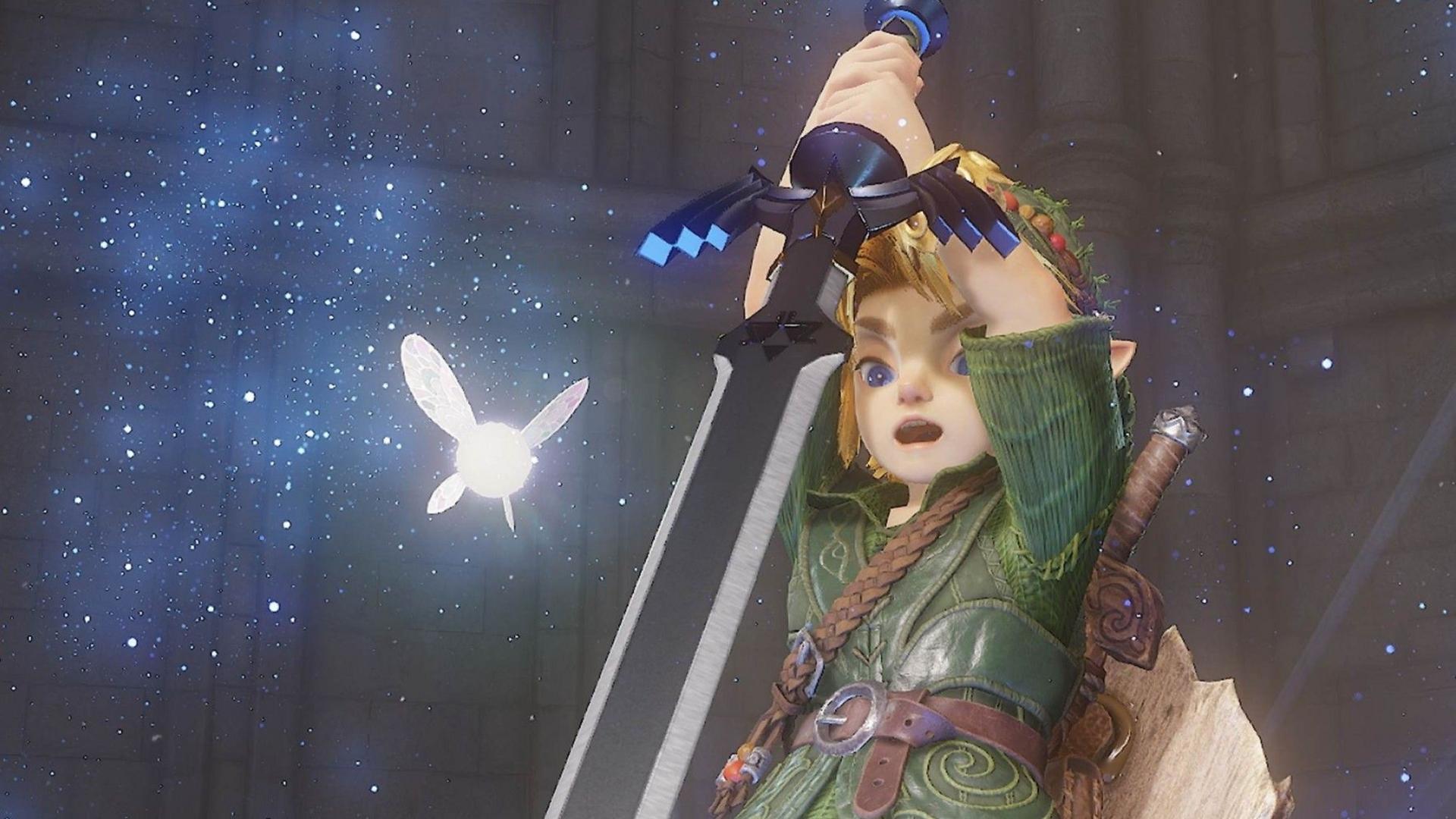
Nintendo will release a remake of The Legend of Zelda: Ocarina of Time on Switch 2 later this year. The original 1998 Nintendo 64 game is widely regarded as one of the greatest games ever made.
The video game industry has pursued remakes and remasters for decades, from Mario Kart to Final Fantasy to Pac-Man. Piers Harding-Rolls, head of games research at Ampere Analysis, calls the strategy "really successful" for established audiences. Updating existing games is often cheaper than creating new titles from scratch.
Nostalgia drives much of the appeal. Tim Wulf, at the Centre for Advanced Internet Studies in Bochum, Germany, says games trigger nostalgia particularly well because players can "jump into the same environment" they remember, creating what he describes as "time machines for our emotions." Nostalgia is both positive and tinged with sadness, Wulf explains, connecting to memories of other people and boosting self-esteem while marking time that has passed.
But remakes carry risk. Some fans are protective of originals and remakes can fail to meet high expectations. Stephanie Ijoma, chief executive of NNESAGA consultancy, notes developers must "find the right balance" between appealing to fans and being creative. Angry fan reactions to perceived failures can be serious in gaming communities.
Remakes also serve a practical function. Niklas Hallin, an indie developer, notes that older games are often difficult to play on modern hardware. A remake of Silent Hill 2, he says, "just works. It works on your modern hardware."
Recent remakes that found large audiences include Resident Evil 4 and Assassin's Creed Black Flag.