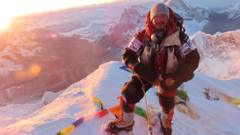
An avalanche in Pakistan has killed multiple high-altitude guides from Nepal, striking a devastating blow to the country's mountaineering elite. The incident claimed lives of record-setting climbers who helped define modern expedition culture in the Himalayas.
Nepal's guide community mourns the loss of experienced mountaineers who spent decades pushing the boundaries of high-altitude climbing. These professionals logged summits on the world's most dangerous peaks, often multiple times, and trained the next generation of climbers attempting Everest and K2.
The avalanche represents more than individual tragedy. It removes institutional knowledge from a tight-knit community where guides pass down decades of experience through mentorship and shared expeditions. Many of the deceased held records for speed ascents, rescue operations, and summit attempts on multiple 8,000-meter peaks.
Pakistan's mountains, particularly K2 and surrounding ranges, remain among Earth's deadliest climbing destinations. The region demands exceptional skill and represents the ultimate test for guides seeking to cement their legacy in mountaineering history.
Fellow guides describe the loss as generational. Younger climbers lose mentors who understood weather patterns, route optimization, and survival tactics refined through hundreds of previous expeditions. The deaths disrupt climbing teams preparing for upcoming seasons and alter expedition logistics across Nepal's commercial climbing operations.
The incident underscores climbing's inherent risks, even for the most experienced professionals. High-altitude guides accept these dangers as part of their profession, yet accidents still claim lives at rates that exceed most industries. The avalanche serves as a grim reminder that expertise and experience cannot eliminate mountain hazards entirely.
Nepal's mountaineering economy depends on these guides. Their deaths create immediate gaps in expedition scheduling and long-term concerns about knowledge transfer in a profession where margins for error remain razor-thin.