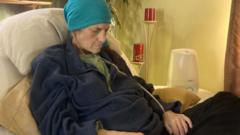
A BBC investigation uncovered a scheme in which unproven treatments for parasites and skin conditions are being fraudulently marketed as cancer cures to vulnerable patients. The scam targets people with terminal diagnoses through deceptive sales tactics conducted by individuals with no medical credentials.
One terminally ill patient was approached by a stair lift salesman who claimed deworming and scabies medications could shrink tumors. The man paid for treatments that have no scientifically validated role in cancer care. These drugs, used legitimately for parasitic infections and mite infestations, carry serious risks when used as off-label cancer therapy, particularly in immunocompromised patients.
The investigation reveals a broader predatory pattern. Salespeople exploit the desperation of dying patients and their families by leveraging fringe health claims and pseudo-medical testimonials. Without proper oversight, these fraudsters operate in regulatory gray zones where enforcement lags behind exploitation.
Medical experts stress that no dewormer or anti-scabies medication has demonstrated efficacy against cancer in clinical trials. Patients pursuing these treatments delay genuine oncological care, reducing survival chances. The schemes divert limited resources from proven interventions like chemotherapy, immunotherapy, and radiation.
The BBC's findings prompted calls for tighter regulation around unlicensed medical claims and increased enforcement against health fraud. Cancer charities emphasized the importance of directing patients toward evidence-based treatment and accredited oncologists.
This case reflects a persistent problem in alternative health markets. Misinformation, combined with limited accountability and deep patient vulnerability, creates opportunities for predators. Regulatory bodies now face pressure to close loopholes and protect terminally ill populations from financial and medical exploitation.