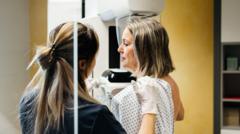
A new study reveals a massive gap in breast cancer screening for younger women in the UK. Current NHS protocols miss up to 95% of women under 50 who carry genetic risk factors or family histories that place them at elevated danger.
The NHS breast screening program targets women aged 50 to 71, operating under the assumption that breast cancer risk remains low before that threshold. Researchers argue this blanket approach fails vulnerable younger women who need earlier detection. Women with BRCA mutations, dense breast tissue, or strong family histories face higher incidence rates yet receive no routine mammograms through the standard program.
The study underscores a public health blind spot. Breast cancer strikes roughly 15,000 women under 50 annually in the UK, yet screening guidelines treat this demographic as uniformly low-risk. Those with hereditary predispositions or genetic markers remain effectively invisible to prevention systems designed for older populations.
Current practice relies on women self-referencing or doctors identifying risk factors during consultations. This reactive model fails many who lack awareness of their own vulnerability or whose GPs miss warning signs. The researchers advocate for proactive screening protocols that identify at-risk younger women and offer earlier imaging options like MRI or supplemental ultrasound alongside mammography.
NHS leadership faces mounting pressure to revise screening age thresholds and risk assessment tools. Implementation would require significant resource allocation, staff training, and infrastructure expansion. Yet the cost of earlier detection pales against the clinical and human toll of advanced cancers diagnosed too late. The study challenges long-held assumptions about when breast cancer screening should begin and demands policymakers confront the equity gap affecting thousands of younger British women annually.