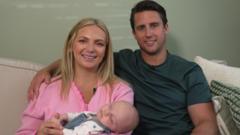
Theo entered medical history as the first British infant to undergo in-utero surgery for gastroschisis, a rare congenital condition where the intestines develop outside the abdominal wall. The procedure took place as part of a pioneering clinical trial that represents a major advance in fetal surgery.
Gastroschisis affects roughly one in 2,000 to 4,500 newborns. The exposed intestines face infection and damage during pregnancy and delivery, typically requiring immediate postnatal surgery after birth. Traditional treatment involves multiple operations over months, with significant recovery periods and potential complications including infection and scar tissue formation.
The groundbreaking intervention performed on Theo involved surgeons operating through minimally invasive techniques while the baby remained in the womb. The procedure aimed to return the intestines to their correct position before birth, reducing trauma and allowing the abdominal wall to develop normally. This approach eliminates the need for emergency surgery immediately after delivery and dramatically shortens recovery time.
The clinical trial represents collaboration between specialist fetal surgeons and obstetric teams across UK hospitals. Success in cases like Theo's could transform outcomes for affected families. Babies born with untreated gastroschisis face weeks in neonatal intensive care units and prolonged hospitalization as surgeons gradually push intestines back into the abdomen and close the opening.
Theo's parents described their child as their "miracle baby," reflecting both the rarity of the condition and the significance of accessing experimental treatment. The trial opens pathways for safer, earlier intervention that addresses the problem before birth complications occur.
Results from this pioneering work could reshape standard care protocols across the NHS and international fetal medicine centers, potentially improving quality of life for hundreds of infants born with this condition annually.