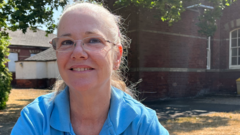
Chelley Tulloch, a former RAF medic, exemplifies the reach of a female veterans support group that has expanded to national scale. The organization now helps 48 female veterans navigate life after military service, addressing gaps in traditional veteran support networks that historically centered male experiences.
Female veterans face distinct challenges. They contend with higher rates of military sexual trauma, complex transitions to civilian employment, and social isolation stemming from their minority status within armed forces. Standard veteran services often fail to account for these realities, leaving women without adequate mental health resources, career guidance, or community.
This support group fills that void through peer-led programming. Former service members like Tulloch lead workshops, facilitate one-on-one mentorship, and create safe spaces where female veterans discuss shared experiences without judgment. The model proves effective because it combines lived military expertise with trauma-informed practices.
The expansion to national reach reflects growing recognition of female veteran needs. Women now comprise roughly 10 percent of active-duty military across NATO countries, yet they remain underrepresented in veteran services data and benefit programs. By scaling operations beyond initial pilot phases, this organization makes support accessible across regions that previously lacked specialized resources.
Funding remains critical for sustainability. Most peer-led veteran groups operate on grants and donations rather than government contracts, creating fragility despite demonstrated impact. The BBC Health feature amplifies visibility, potentially attracting donors and policymakers to fund replication.
For Tulloch and others like her, the group represents validation and practical help. Mental health outcomes improve when veterans access community rooted in mutual understanding. This organization's growth signals a broader shift toward recognizing that female veterans require tailored support structures, not one-size-fits-all programming designed around male experiences.