Uganda has effectively contained its Ebola outbreak, discharging its final patient approximately two weeks ago and marking a dramatic reversal from the crisis that erupted in September. The country's swift containment stands in sharp contrast to the Democratic Republic of Congo, where the virus continues spreading with cases mounting daily.
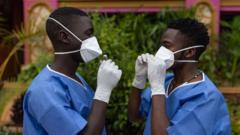
Uganda's success stems from a combination of factors. The country maintains a dedicated Ebola task force and treatment centers equipped to isolate patients rapidly. Health workers wear full protective gear and follow strict protocols developed through decades of experience with viral outbreaks. Crucially, Uganda implemented aggressive contact tracing, identifying and monitoring anyone exposed to confirmed cases within 21 days of potential infection. The government also launched sustained public awareness campaigns, helping citizens recognize symptoms like fever, vomiting, and bleeding.
The outbreak, which sickened nearly 150 people, exposed weaknesses in Uganda's initial response. Early cases spread through families and healthcare settings before authorities tightened isolation measures. However, the government's quick pivot proved decisive. Border screenings caught cases entering from the DRC, preventing further community transmission.
Uganda's health infrastructure, though limited compared to wealthy nations, proved sufficient once mobilized. The country trained response teams rapidly and deployed them to affected regions. International support from the World Health Organization and partner nations supplied medical equipment and technical expertise.
The DRC faces steeper challenges. Ongoing conflict in eastern regions complicates contact tracing and treatment access. Communities resist health interventions due to mistrust of government and outside organizations. Weak supply chains hamper vaccine distribution and equipment availability.
Uganda's victory demonstrates that developing nations can contain Ebola through determination and focused resources. The country now turns to monitoring for potential recurrence while supporting DRC's efforts to replicate this success. International health experts view Uganda as a model for rapid outbreak containment in resource-limited settings.