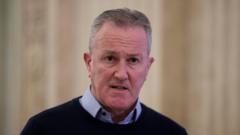
Sinn Féin has warned that Northern Ireland's devolved government at Stormont faces collapse without institutional reform. The party, which holds significant representation in the assembly, argues that the current power-sharing structure requires fundamental changes to function effectively.
The Democratic Unionist Party responded by reaffirming its commitment to delivering results for Northern Ireland's citizens, though specifics on reform proposals remain unclear from the brief statement. Both parties operate within the 1998 Good Friday Agreement framework, which mandates shared executive power between nationalist and unionist communities.
Sinn Féin's warning reflects ongoing tensions within Stormont's delicate political balance. The assembly has faced previous suspensions and walkouts, most recently in 2022 when the DUP withdrew over post-Brexit trade arrangements. That dispute took months to resolve and demonstrated how quickly the devolved institution can stall when major parties disengage.
The party's push for reform suggests frustration with current operational constraints. Power-sharing governments require consensus on key issues, which can slow decision-making and create gridlock when fundamental disagreements emerge. Sinn Féin's electoral strength has grown, giving the party leverage to demand structural changes that better reflect contemporary political realities.
Without compromise from the DUP and other assembly members, Sinn Féin implies that maintaining Stormont becomes untenable. Such a breakdown would revert governance to direct rule from Westminster, a scenario neither major Northern Irish party favors but one that remains possible if negotiations fail.
The warning arrives amid broader questions about Stormont's sustainability. Demographic shifts and electoral patterns continue reshaping Northern Ireland's political landscape, making adaptation increasingly necessary for institutional survival.