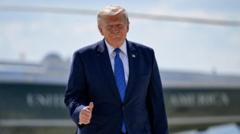
Trump announced he is halting planned strikes on Iran, conditioning the pause on rapid progress toward a negotiated settlement. The statement follows weekend reports that the administration prepared intensified military operations against the Iranian government.
The president's shift reflects a familiar Trump posture. Strike threats paired with dealmaking rhetoric create negotiating leverage while leaving military options on the table. The timing matters. Iran tensions have escalated through proxy conflicts, drone incidents, and regional military buildups. Both sides face domestic political pressure. Trump needs a foreign policy win. Iran's leadership must manage economic sanctions and internal instability.
The "rapidly" qualifier carries weight. Trump sets short timelines for negotiations, using urgency as a pressure tactic. If talks stall, he has signaled willingness to escalate. This frames the next diplomatic window in days or weeks, not months. Israeli interests, Saudi Arabia's regional role, and European allies watching the Persian Gulf all factor into how this plays out.
Previous Trump administrations withdrew from the Iran nuclear deal in 2018, triggering years of escalation. A new agreement, if reached, would reshape Middle East geopolitics and reshape US foreign policy. Oil markets have already priced in uncertainty. Any military action disrupts global energy supplies. Any deal requires congressional approval in some form, though Trump has shown flexibility on that front.
The cancellation announcement serves multiple audiences. Domestic hawks see the military threat remaining credible. Diplomatic channels now have operating room. Iran's government receives a signal that negotiation beats confrontation, though trust between the nations remains minimal.
Expect the next phase within weeks. Trump's dealmaking often hinges on personal relationships and rapid action. The administration will likely use back channels and intermediaries. Success requires both sides moving simultaneously on sanctions relief, nuclear restrictions, and regional security guarantees. Failure returns tensions to the strike-threat phase already demonstrated.