Iran's strategic calculus increasingly favors managed confrontation over either full peace or total war with the United States. Tehran appears confident it can maintain military pressure through proxy networks and direct strikes while staying below the threshold that triggers overwhelming American retaliation.
This equilibrium reflects Iran's asymmetric position. The nation lacks conventional military parity with the US, making direct conflict catastrophic. Yet Tehran commands a web of militias, drones, and missiles that impose real costs on American interests across Iraq, Syria, and the broader Middle East. Hezbollah in Lebanon, Houthi fighters in Yemen, and Popular Mobilization Forces in Iraq give Iran plausible deniability and distributed leverage.
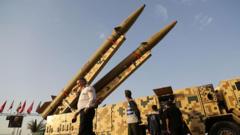
The recent pattern illustrates this logic. Iran's October 2024 ballistic missile strikes on Israel and its ongoing drone attacks on US positions test American tolerance without triggering the kinetic response that would devastate Iranian infrastructure. Each measured escalation signals resolve without crossing the line into mutual destruction.
Iran also calculates that limited conflict serves domestic and regional interests. It allows Supreme Leader Ayatollah Khamenei to project strength to hardliners at home while maintaining nationalist credentials against external pressure. Regionally, sustained tension reinforces Iran's role as a key player in Middle Eastern affairs and complicates US policy across the region.
For the US, this posture creates genuine problems. American forces remain vulnerable to surprise attacks. Allies like Israel and Gulf states face constant low-level threats. Yet responding disproportionately risks wider conflict that benefits neither side. The administration faces pressure to appear strong without escalating toward open war.
This dynamic could persist indefinitely. Iran may believe it has found the optimal strategic position: costly enough to matter, controlled enough to survive. Whether that calculation holds under new US leadership remains uncertain. But for now, Tehran sees limited war as preferable to the alternatives.