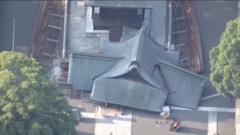
A powerful earthquake rattled Japan's Kyushu island on July 28, with video footage capturing the moment the tremor struck across multiple locations in the region. The BBC documented the seismic event through clips showing the immediate impact on buildings, streets, and everyday activity as residents and visitors experienced the shake.
Kyushu, Japan's third-largest island, sits in a seismically active zone where earthquakes occur regularly. The July 28 quake added to the region's ongoing geological volatility. Video evidence from various vantage points illustrated how the earthquake affected infrastructure and public spaces, giving viewers a ground-level perspective of the natural disaster as it unfolded.
Japan maintains one of the world's most sophisticated earthquake monitoring and early warning systems, designed to alert residents within seconds of seismic activity. The country's building codes reflect decades of seismic engineering advances, requiring structures to withstand significant shaking. Despite these protections, strong earthquakes still pose risks to the population and can cause disruptions to daily life, transportation, and utilities.
The BBC's compilation of footage from across Kyushu provided real-time documentation of how the earthquake manifested in different settings, from urban centers to populated districts. Such video evidence serves both as immediate news reporting and as a record of how Japan's resilient infrastructure performed during the event.
Kyushu has experienced notable seismic activity in recent years, including the 2016 Kumamoto earthquakes that caused significant damage and casualties. Residents remain acutely aware of earthquake risks and participate regularly in disaster preparedness drills. The July 28 event reinforced the region's ongoing relationship with seismic hazards and the importance of emergency readiness across Japan's most earthquake-prone areas.